
When you think about foam in a vehicle, seat cushions and padding probably come to mind. But foam can do much more than make a ride comfortable. Certain types of foam help air move through your car’s ventilation system, reduce unwanted noise, protect electronic components, and even help control the movement of liquids.
One material that makes these applications possible is reticulated foam. Its unique structure lets air, sound, and liquids pass through, making it useful where traditional foam may not perform as well. Let’s take a closer look at what reticulated foam is and five ways it’s used in the automotive industry.
What Is Reticulated Foam?
Reticulated foam is a special type of open-cell foam. It has a network of connected openings that allow air, sound, and liquids to move through the material. Think of it as a foam that can breathe.
While traditional foam is often used for cushioning or support, reticulated foam is designed for applications where something needs to pass through it. Depending on the type of foam selected, it can help:
- Keep air moving through ventilation systems.
- Reduce unwanted noise.
- Catch dust and debris.
- Distribute air more evenly.
- Allow liquids to drain or flow through.
These features make reticulated foam useful for many automotive components.
1. Keeping Car Seats Cool and Comfortable
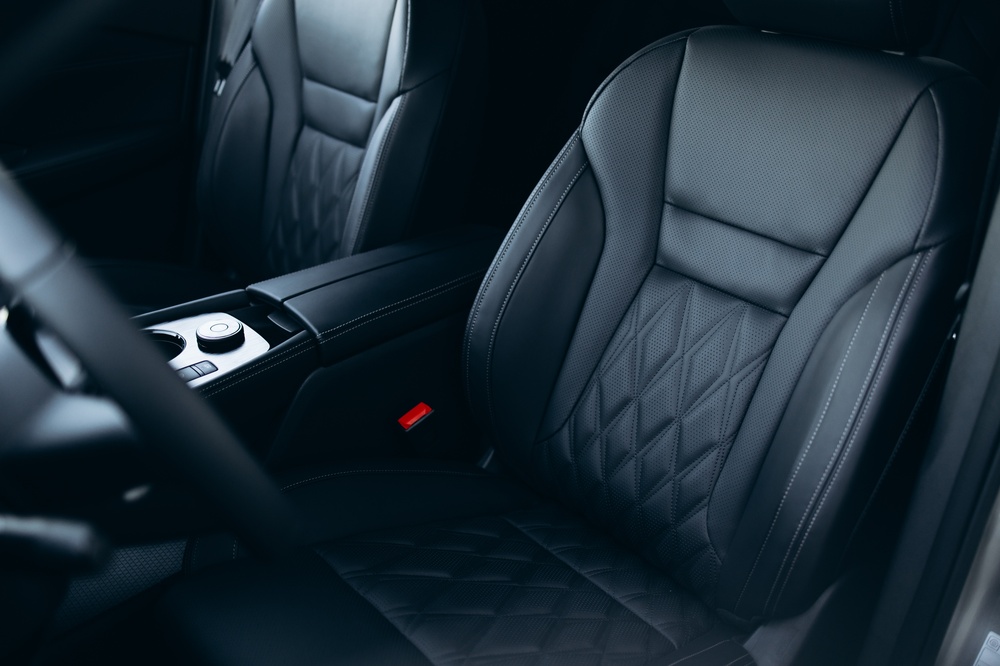
Ventilated seats have become a popular feature in modern vehicles. Instead of relying only on air conditioning to cool the cabin, these seats use built-in fans to move air through the seating material. Reticulated foam can help make that possible.
When placed beneath perforated leather or fabric, the foam creates a path for air to travel through the seat. Its open structure spreads airflow across the seating surface rather than concentrating it in one area.
This can create a more consistent airflow and improve the seat’s ventilation performance. For automotive manufacturers, reticulated foam offers a lightweight option that fits different seat designs.
2. Reducing Noise Inside the Vehicle
A quieter ride makes driving more enjoyable. However, vehicles contain many sources of unwanted noise, from fans and air moving through vents to vibrations inside doors and dashboards.
Reticulated foam can help manage some of these sounds. Manufacturers can place it inside door panels, dashboards, pillars, and other enclosed areas to help absorb certain sound frequencies and reduce unwanted echoes. It can also be used around speakers and audio equipment.
For example, speaker foam needs to let sound pass through while keeping dust and debris away from sensitive components. Reticulated foam can provide both functions when the right material is selected. The result is a material that can help control unwanted noise without blocking the sound that needs to pass through.
3. Helping Heating and Air Conditioning Systems Work Properly
Your vehicle’s heating and air conditioning system depends on steady airflow to keep the cabin comfortable. But the system also needs protection from dust, debris, and other particles that can enter through ventilation openings. Reticulated foam can serve as a filter or protective layer within these systems.
Its open-cell structure lets air pass through while catching larger particles. Manufacturers can choose different pore sizes based on the airflow and filtration the system requires. Reticulated foam can also help reduce noise caused by air moving through ventilation ducts. This makes it useful in several parts of an automotive heating and cooling system, including air filters, vents, and duct liners.
4. Protecting Electronics and Sensors
Today’s vehicles contain more electronic components than ever before. From sensors to control modules, many of these parts need protection from dust and debris.
At the same time, some components require ventilation to prevent heat buildup or equalize pressure. Reticulated foam can help meet both needs.
When used in vents or protective filters, it lets air move through while keeping larger particles away from sensitive equipment. It can also be used in certain microphone and sensor assemblies where sound or airflow must pass through a protective material. Because reticulated foam can be cut and shaped into small components, it can fit into a variety of electronic housings and assemblies.
5. Helping Control Liquid Movement
Reticulated foam isn’t limited to air and sound applications. Its open-cell structure can also allow liquids to move through it. In certain automotive systems, this can help control fluid movement, drainage, and filtration.
For example, foam placed inside a compatible fluid reservoir may help reduce liquid movement as a vehicle accelerates, brakes, or turns. Reticulated foam may also be used in drainage systems to allow water to pass through while helping separate larger debris. However, not every type of foam suits every liquid.
Applications involving fuel, oil, coolant, and other automotive fluids require careful testing to ensure the foam can withstand chemical exposure and keep performing over time.
Choosing the Right Foam for the Job
Although reticulated foam can be used in many automotive applications, choosing the right material is important. Different applications require different levels of airflow, strength, flexibility, and resistance to heat or chemicals.
Some of the most important factors include:
- Pore Size: The size of the openings in the foam affects how easily air or liquid can pass through and what particles it can catch.
- Density: Foam density affects its strength, flexibility, and ability to hold its shape.
- Airflow: Some applications require large amounts of air to pass through the material with very little resistance.
- Temperature Resistance: Foam used near heating systems, electronics, or other warm areas must withstand the temperatures it may encounter.
- Chemical Resistance: Foam that comes into contact with automotive fluids must be compatible with those substances.
- Durability: The material must maintain performance under the conditions of everyday vehicle use.
The right combination of these properties depends on where and how the foam will be used.
Finding the Right Foam for Your Automotive Application
From keeping passengers comfortable to protecting important components, reticulated foam plays a role in many automotive systems. Its ability to allow air, sound, and liquids to pass through makes it a useful choice for applications where traditional cushioning foam isn’t the right fit.
At Midwest Foam Corp., we understand that different applications call for different materials. Whether you’re developing a new automotive component or looking for a foam solution for an existing product, choosing the right material is an important part of the process.
Contact Midwest Foam Corp. to discuss your automotive foam needs and explore the options available for your project.